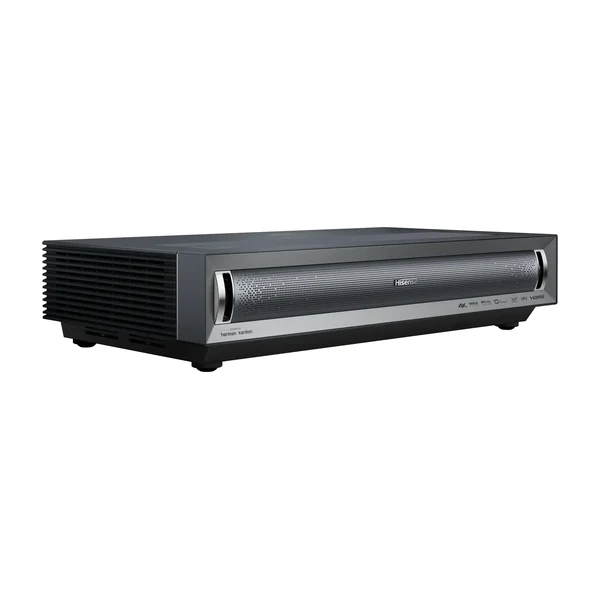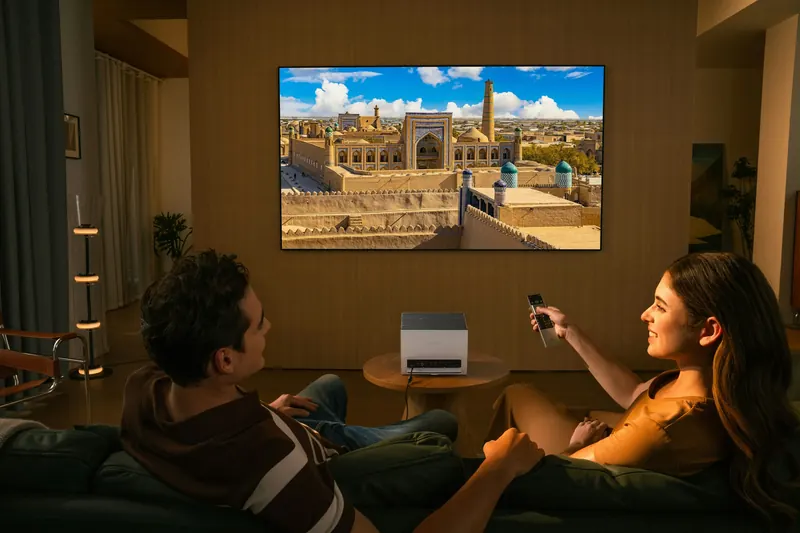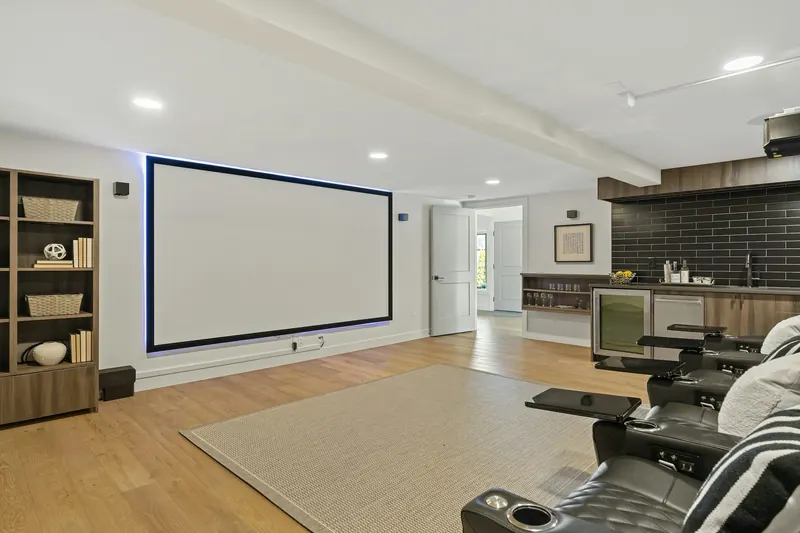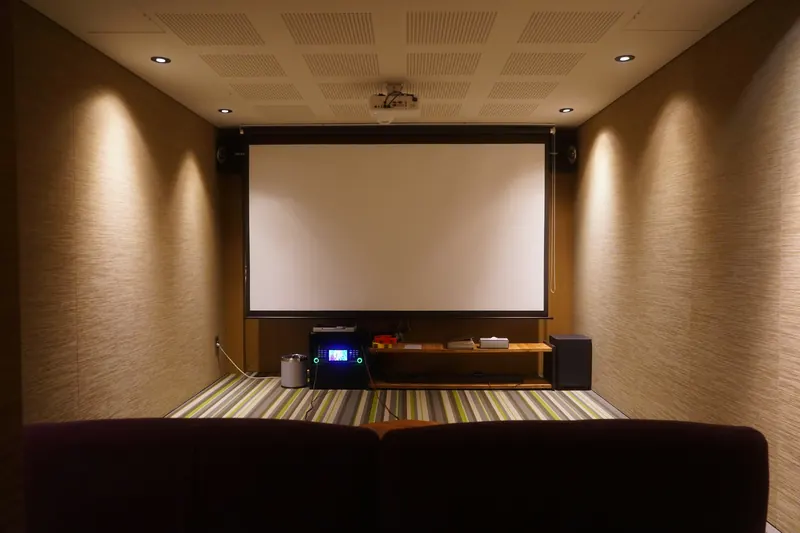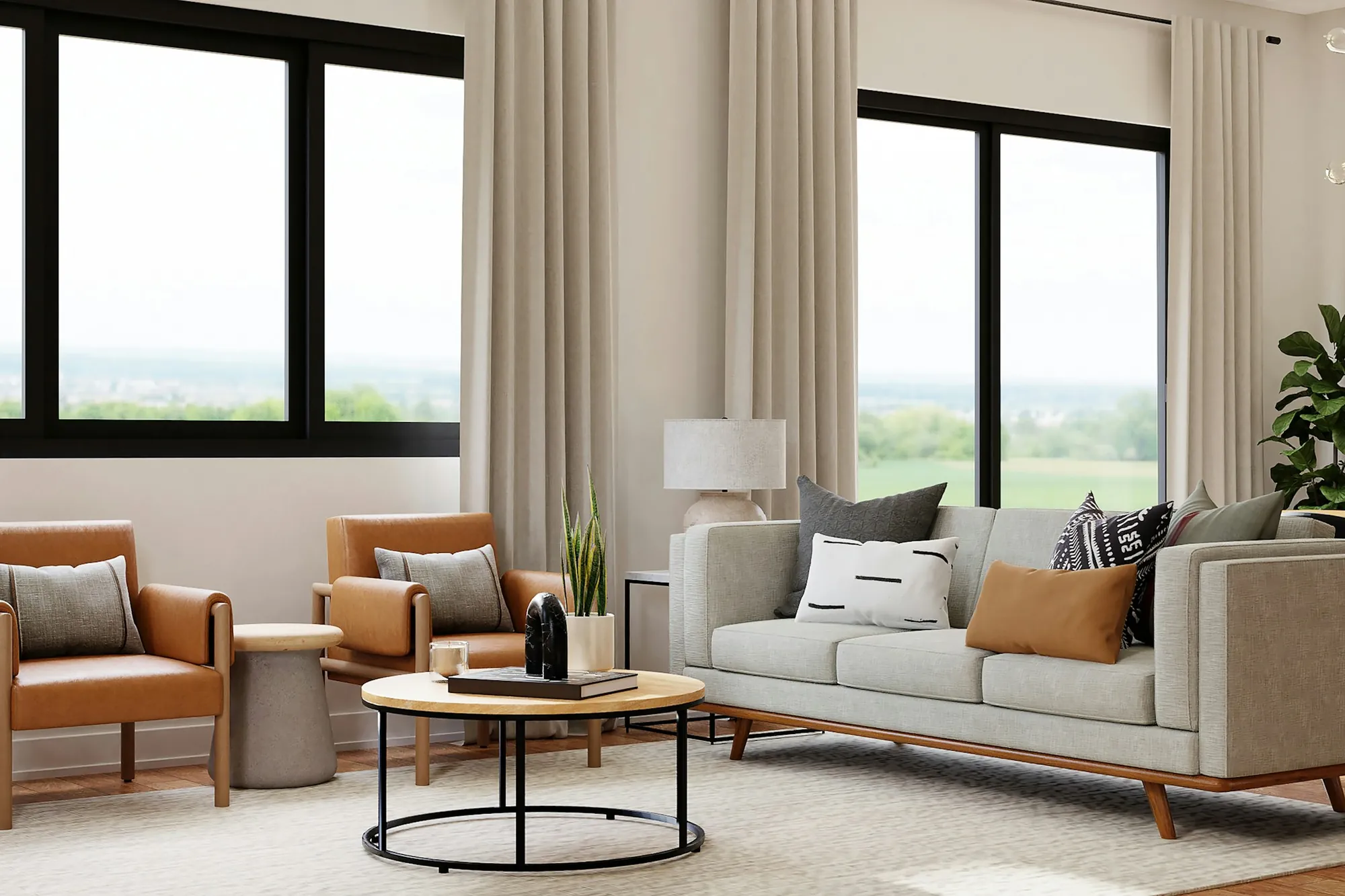
Short answer: for a 100-inch picture, about 2,000 lumens is enough in a dark room, 3,000 is the comfortable figure for a living room with some daylight, and 5,000 or more lets you watch at noon without closing everything. Go up one step for 120 inches, because a bigger picture spreads the same light over more surface. The screen counts as much as the projector: an ALR screen made for ultra short throws is what keeps the picture from washing out. The 15 projectors we compare claim between 2,000 and 6,000 lumens.
What is the short rule of thumb?
Match the lumens to the worst light you will watch in, not the best. Everybody's projector looks great at 10 pm. The question is Saturday at 2 pm.
- Dark room, movies at night: 2,000 to 2,500 lumens for 100 to 120 inches.
- Living room, lamps on, some daylight: 3,000 to 3,600 lumens.
- Bright room, daytime sports, blinds open: 5,000 lumens and more.
These figures assume a UST ALR screen. On a white wall, add a step and expect less contrast anyway.
Why does screen size change everything?
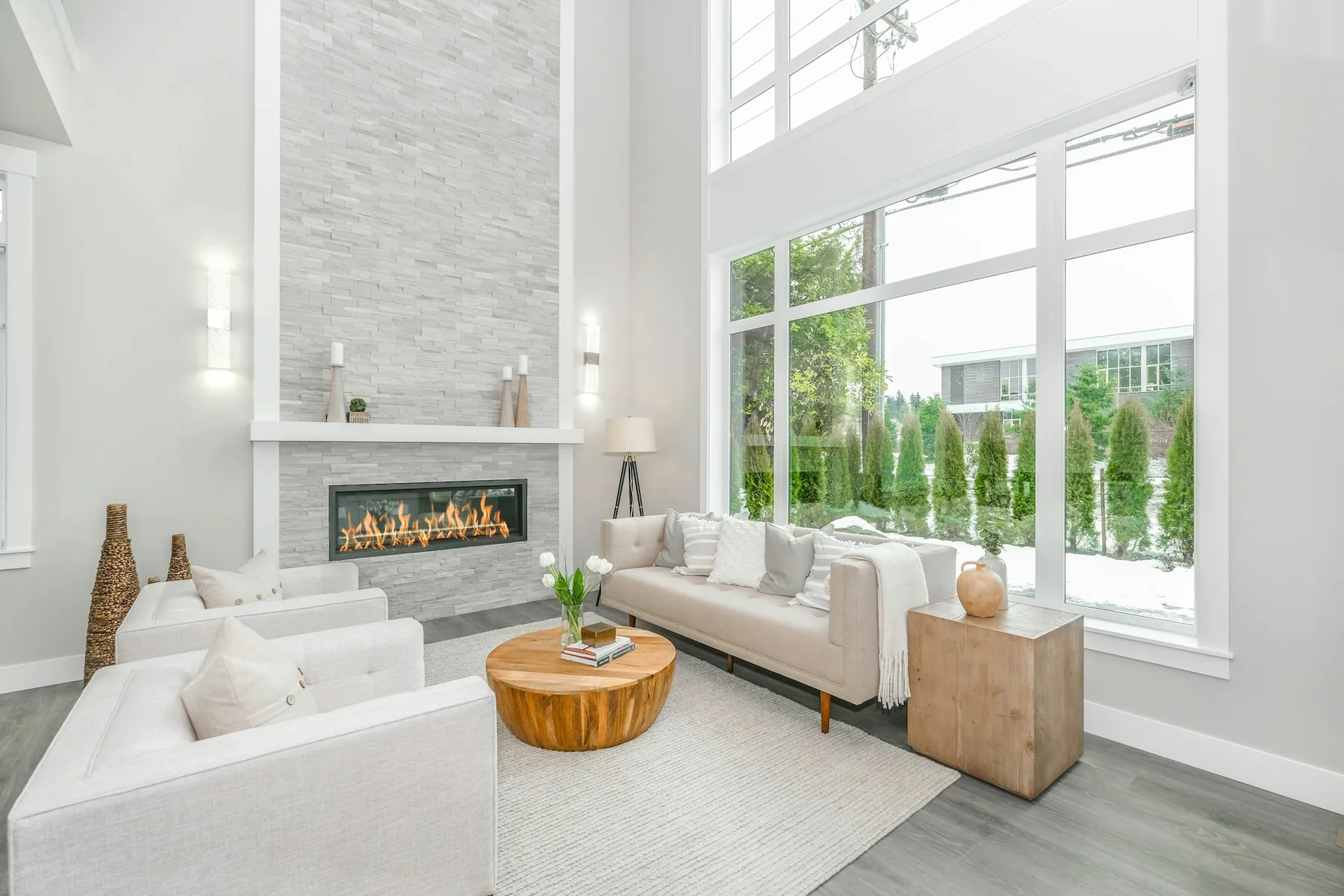
Because lumens measure the total light leaving the lens, and your eye sees light per square foot. A 100-inch 16:9 picture covers about 29.7 square feet. A 120-inch one covers 42.7 square feet, which is 44% more. A 150-inch one covers 66.7 square feet, more than double.
Do the division and you see the problem. A 3,000-lumen projector puts about 101 lumens on each square foot at 100 inches, 70 at 120 inches and 45 at 150. Same projector, same room, and the picture at 150 inches is less than half as bright as at 100. So when a brand says its projector supports 150 or 200 inches, read that as "the lens can focus that size", not "it will look good in daylight at that size".
A dark cinema works at roughly 14 to 16 foot-lamberts on the screen, which is very little. A lit living room needs several times that before a picture stops looking gray. That is why the daytime figures above look so much higher than the movie-night ones.
ISO lumens, ANSI lumens: are the numbers comparable?
Close enough to compare, with a pinch of salt. ANSI lumens and ISO lumens (ISO 21118) are both measured on a white image at nine points of the screen, then averaged. In practice the two methods give similar figures for the same machine, and brands use one or the other: AWOL, XGIMI, Formovie, Epson, Samsung and JMGO quote ISO lumens on the pages we read, Hisense quotes ANSI lumens.
Two cautions. First, every figure on this site is the brand's own claim, measured in its own lab, usually in the brightest picture mode, which is rarely the most accurate one. Expect less in the mode you will actually watch. Second, be wary of other units. "LED lumens", "light source lumens" or a bare "lumens" with no method are not the same thing and usually flatter the product. When a page gives no method, our reviews say so.
Video: "Daylight Screens Are Here: AWOL LTV 3500 Pro Projector & Daylight Screen Review", Paul Hibbert (Hibbert Home Tech) on YouTube. Not made by us; chosen because it shows the projector or the topic clearly.
How much does the screen add or take away?
A lot, in both directions. A screen has a gain figure: 1.0 reflects light evenly like a matte white surface, and many lenticular ALR screens for ultra short throws are rated between 0.4 and 0.8. So an ALR screen sends less of the projector's light to your eyes than a white wall would.
That sounds like a bad deal until you look at what it does to the room's light. An ALR screen for UST is built to reflect light coming from below, where the projector sits, toward the sofa, and to absorb light coming from above and from the sides: ceiling lamps, windows. The picture loses a little brightness and keeps its blacks, which is what your eye reads as contrast. In a lit room, 3,000 lumens on an ALR screen looks far better than 3,000 lumens on a wall.
Fresnel screens generally keep more brightness than lenticular ones but narrow the viewing angle. Check the gain and the viewing angle on the screen's own spec sheet, and read our guide to ALR screens for UST projectors before choosing.
How many lumens for a bright living room?
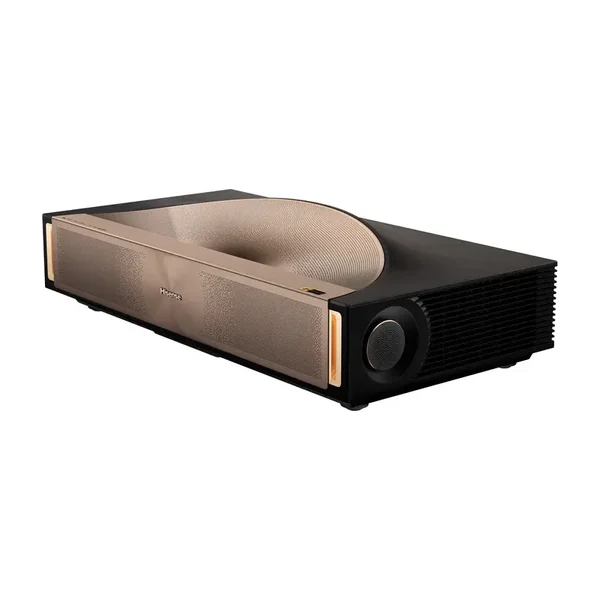
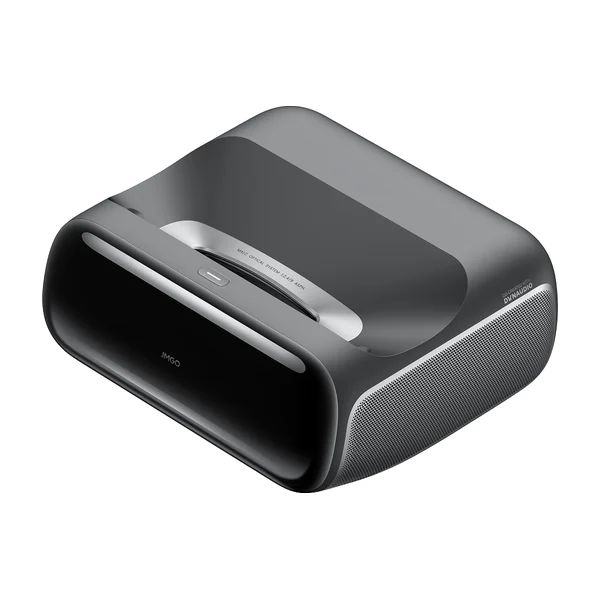
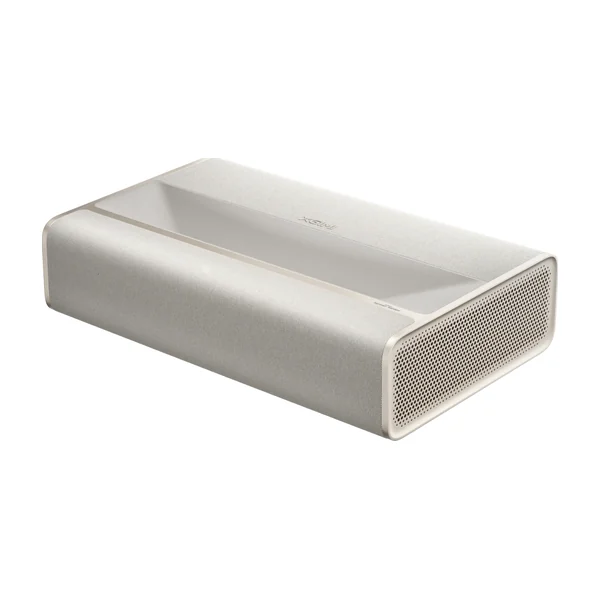
3,000 as a floor, more if you can. In this bracket the XGIMI MIRA Pro claims 3,000 lumens for $1,699, the Hisense PX3-PRO 3,000 for $2,499.99, and the JMGO O2S Ultra 3,600 for $2,199. With an ALR screen, any of them handles an afternoon with the blinds half drawn at 100 inches.
If the room has big windows you won't cover, or you want 120 inches in daylight, you are in 5,000-lumen country. Two projectors on our list go there: the Hisense L9Q (5,000 ANSI lumens, per Hisense) and the AWOL LuxVision (6,000 ISO lumens, per AWOL). Both cost about $6,000. Our ranking of UST projectors for bright rooms orders all the models at 3,000 lumens and above, with brightness counting for 45% of the order.
How many lumens for a dark room or a movie den?
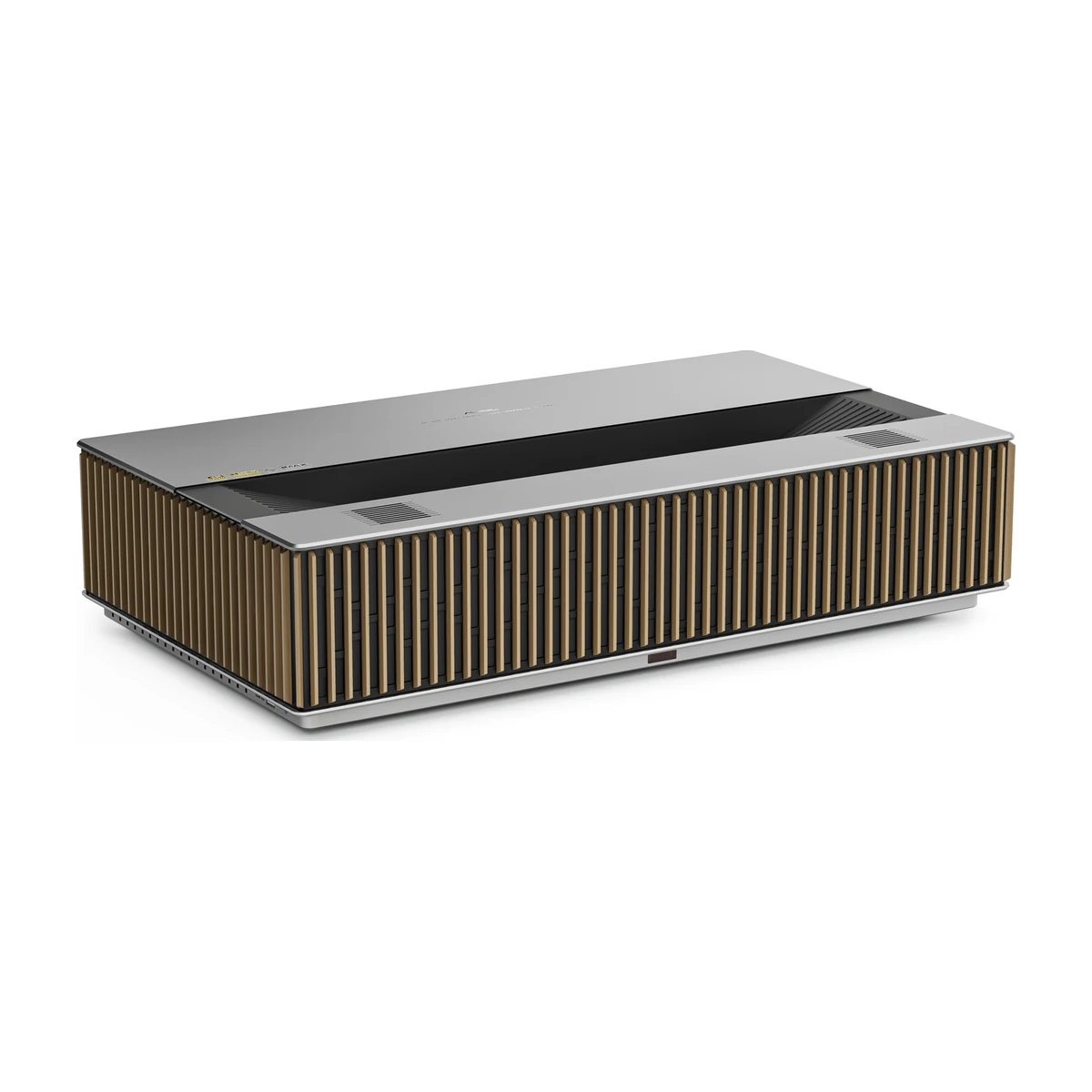
Fewer than the ads suggest. In a room you can darken, 2,000 to 2,600 lumens fills a 120-inch screen with light to spare, and you should spend the difference on contrast. Native contrast decides how black the blacks look once the lights are off, and it varies a lot: 2,500:1 to 3,000:1 on most models, 6,000:1 on the AWOL Aetherion Pro (2,600 lumens), per AWOL.
For that use, see our ranking of UST projectors for home theater, where picture quality counts for 45% and brightness for 5%.
Can a projector be too bright?
For your eyes at night, yes, and that is a nice problem to have. Every projector here has dimmer picture modes or a laser power setting, and a bright machine turned down runs quieter and often more accurately. You can't do the opposite: no setting adds light a projector doesn't have.
So if you hesitate between two brightness levels and the budget allows, take the brighter one. The only real cost of extra lumens is the price.
Which projectors give the most lumens per dollar?
We publish that figure because our tie-break uses it: the price divided by the lumens claimed. On November 13, 2026, the best on our list was the XGIMI MIRA Pro at $566 per 1,000 lumens, ahead of the JMGO O2S Ultra at $611. The Hisense PX3-PRO came in at $833. The two brightest cost more per lumen, as flagships do: $1,000 for the AWOL LuxVision and $1,200 for the Hisense L9Q.
Lumens per dollar is a tie-break, not a verdict. A projector is also color, contrast, sound, software and warranty, which is why our overall ranking of ultra short throw projectors weighs seven criteria. But if brightness is your first worry, the figure tells you quickly who charges what for light.
The projectors in this guide, side by side
| Projector | ||||
|---|---|---|---|---|
| Brightness (brand) | 6,000 ISO lumens | 5,000 ANSI lumens | 3,600 ISO lumens | 3,000 ISO lumens |
| Light source | RGB triple laser | RGB triple laser | RGB triple laser | RGB triple laser |
| Throw ratio | 0.18:1 | 0.18:1 | 0.16:1 | 0.175:1 |
| Native contrast | 10,000:1 | 5,000:1 | 4,000:1 | Not stated |
| HDR formats | Dolby Vision, HDR10+, IMAX Enhanced | Dolby Vision, HDR10+, IMAX Enhanced | Dolby Vision | Dolby Vision, HDR10+ |
| Lowest input lag | 1 ms (brand) | 12 ms (brand) | No figure | 1 ms (brand) |
| Smart TV | Google TV | Google TV with Netflix | Google TV with Netflix | Google TV |
| Warranty | 2-year | 2-year | 1-year | 2-year |
| Where to buy | Check price at AWOL | Check price at Hisense | Check price at JMGO | Check price at XGIMI |
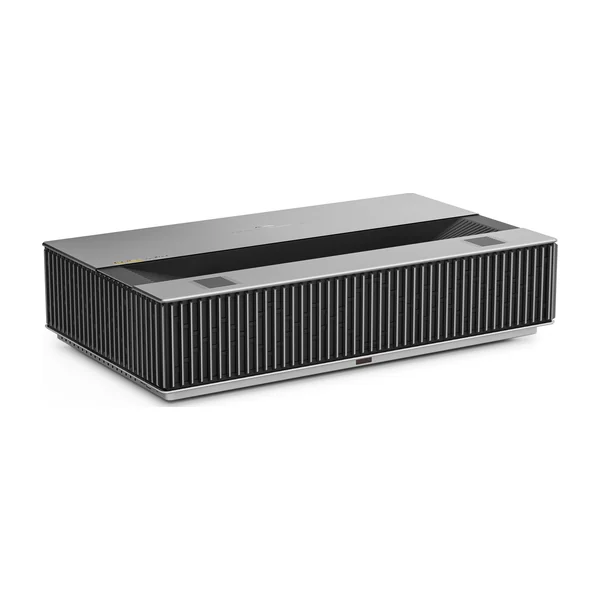
✓ marks the best figure of the row. Prices checked November 13, 2026 on each brand's own US store.