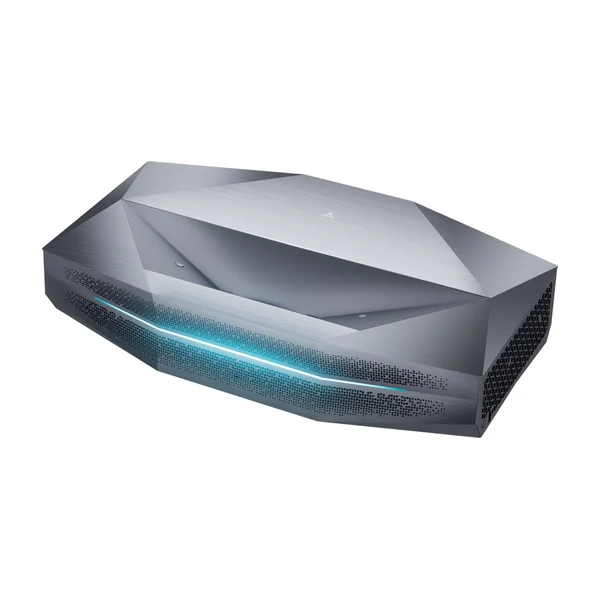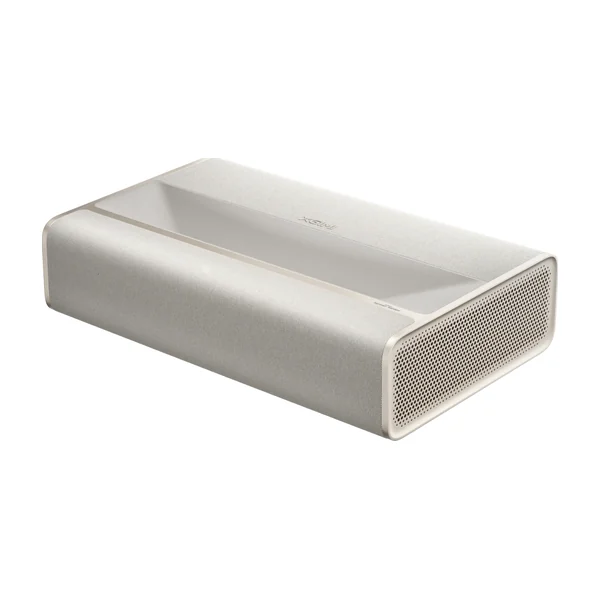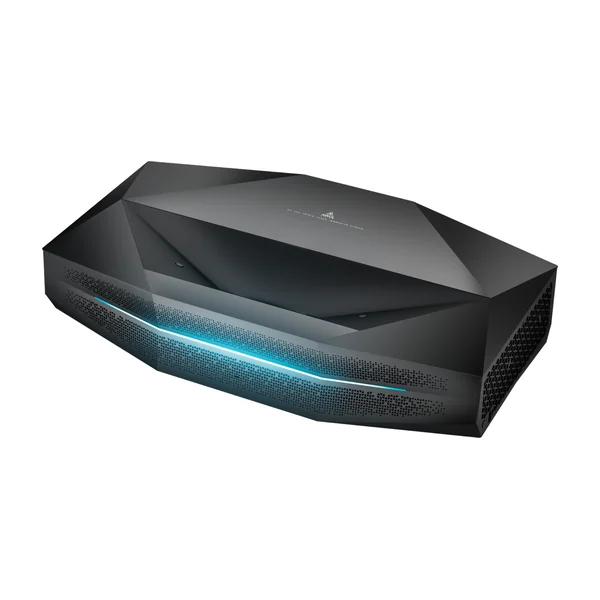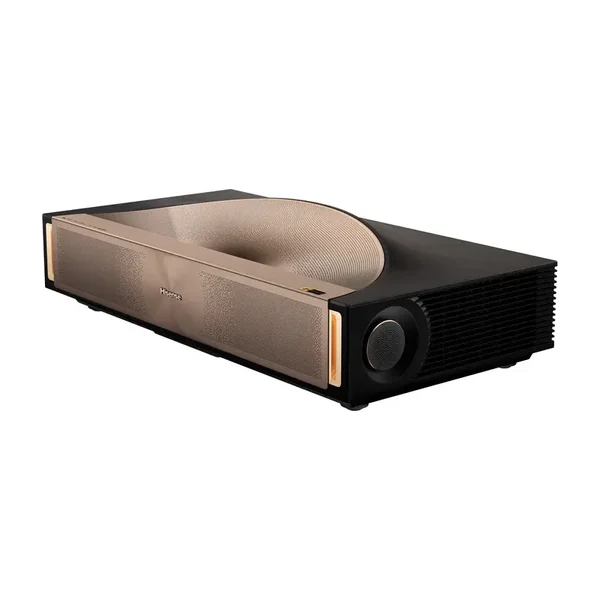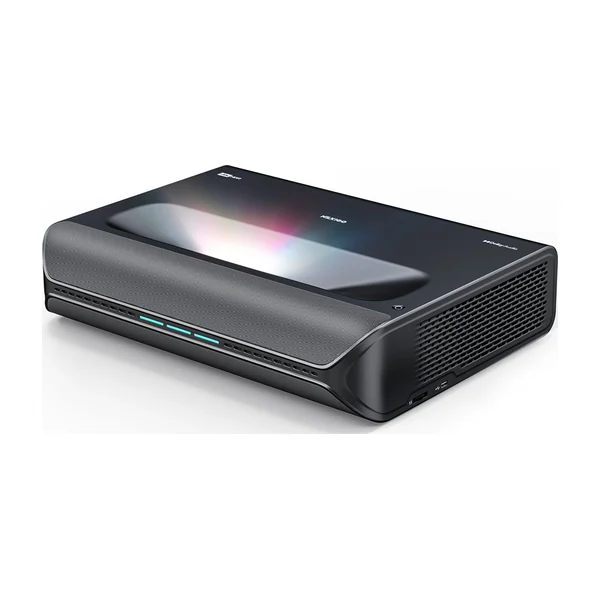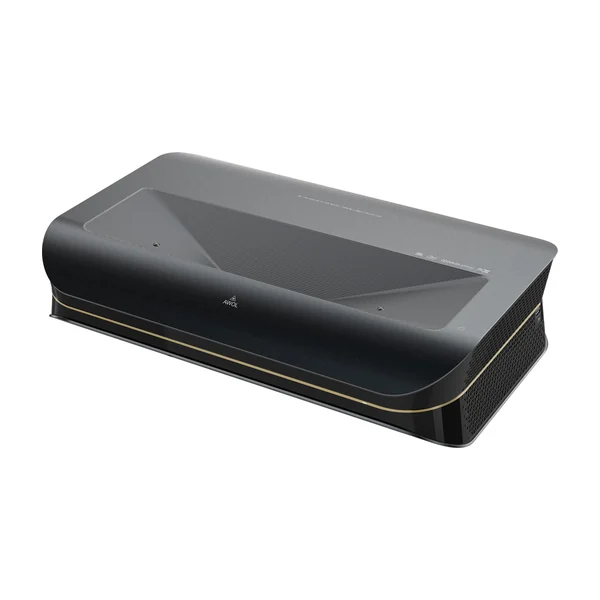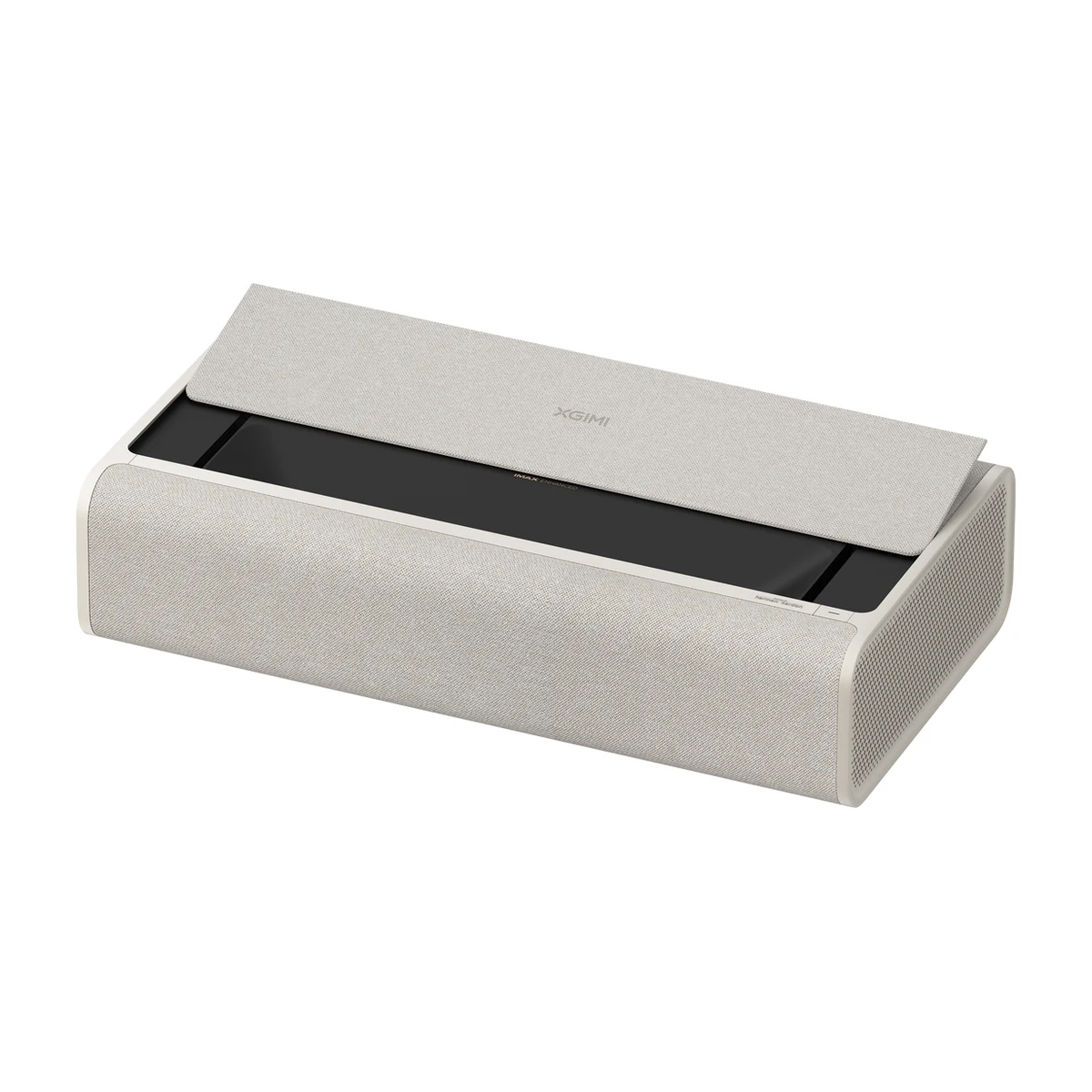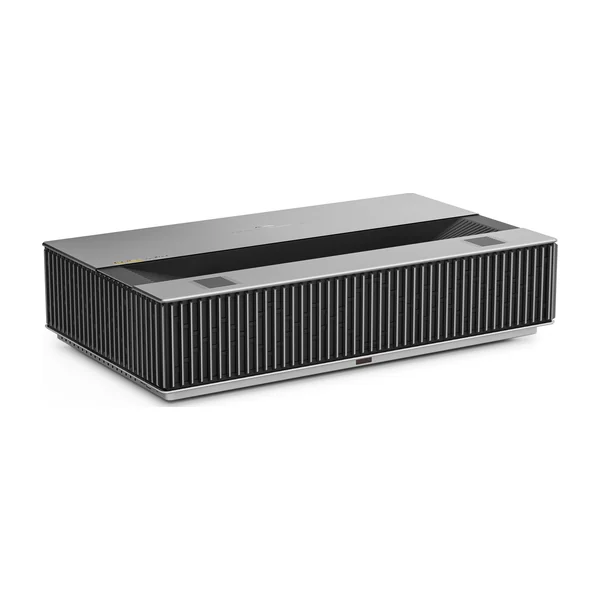
No. 1 here · Best overall
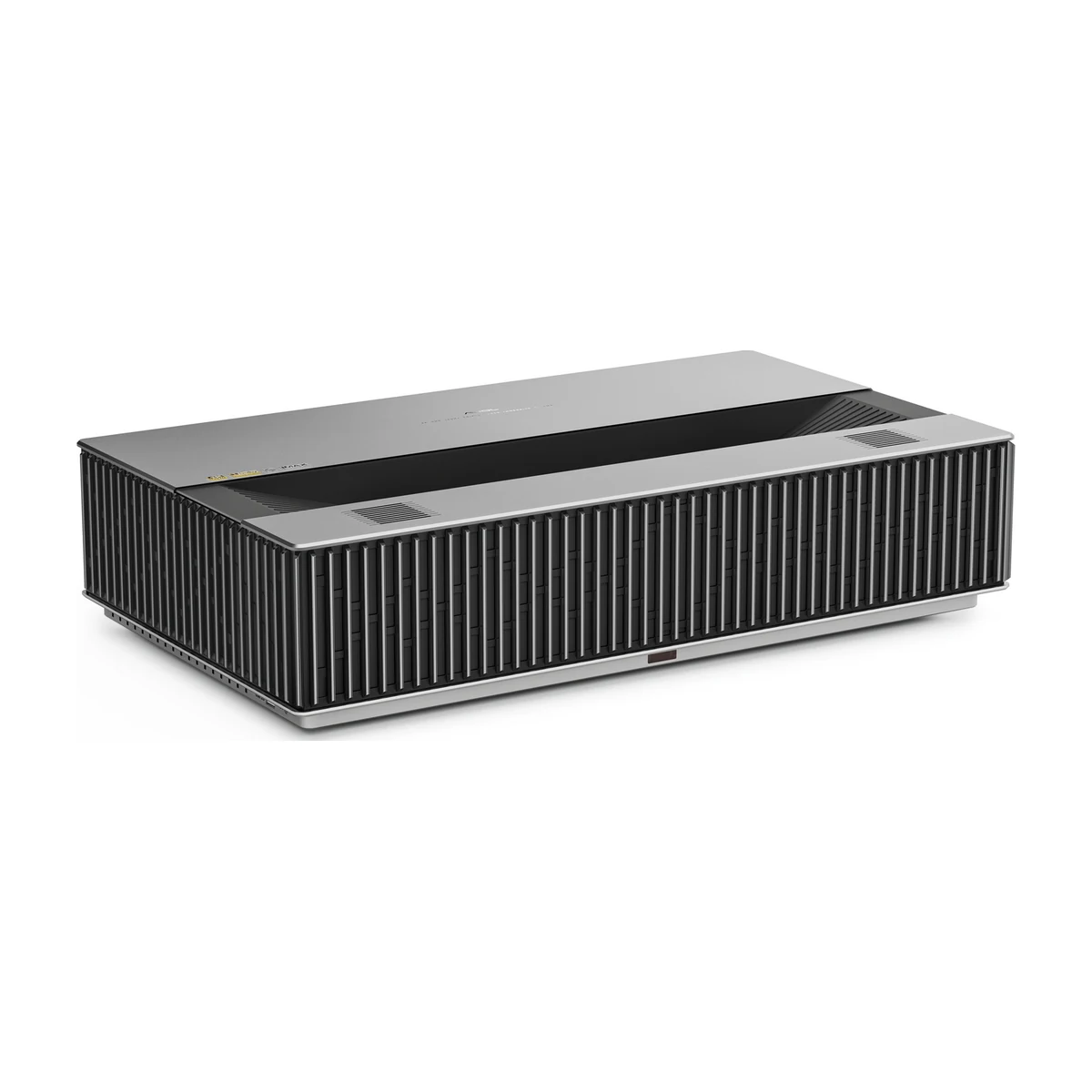
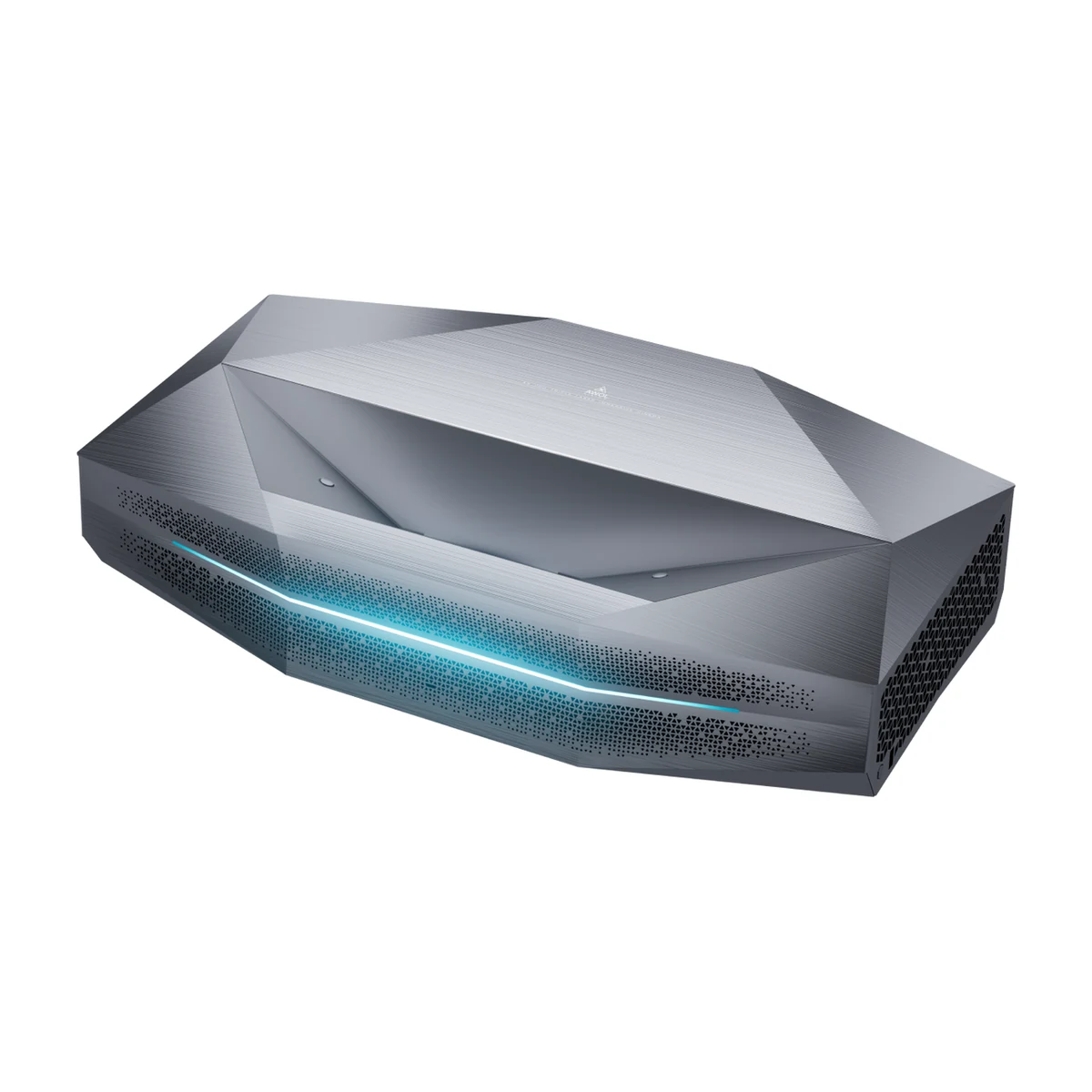
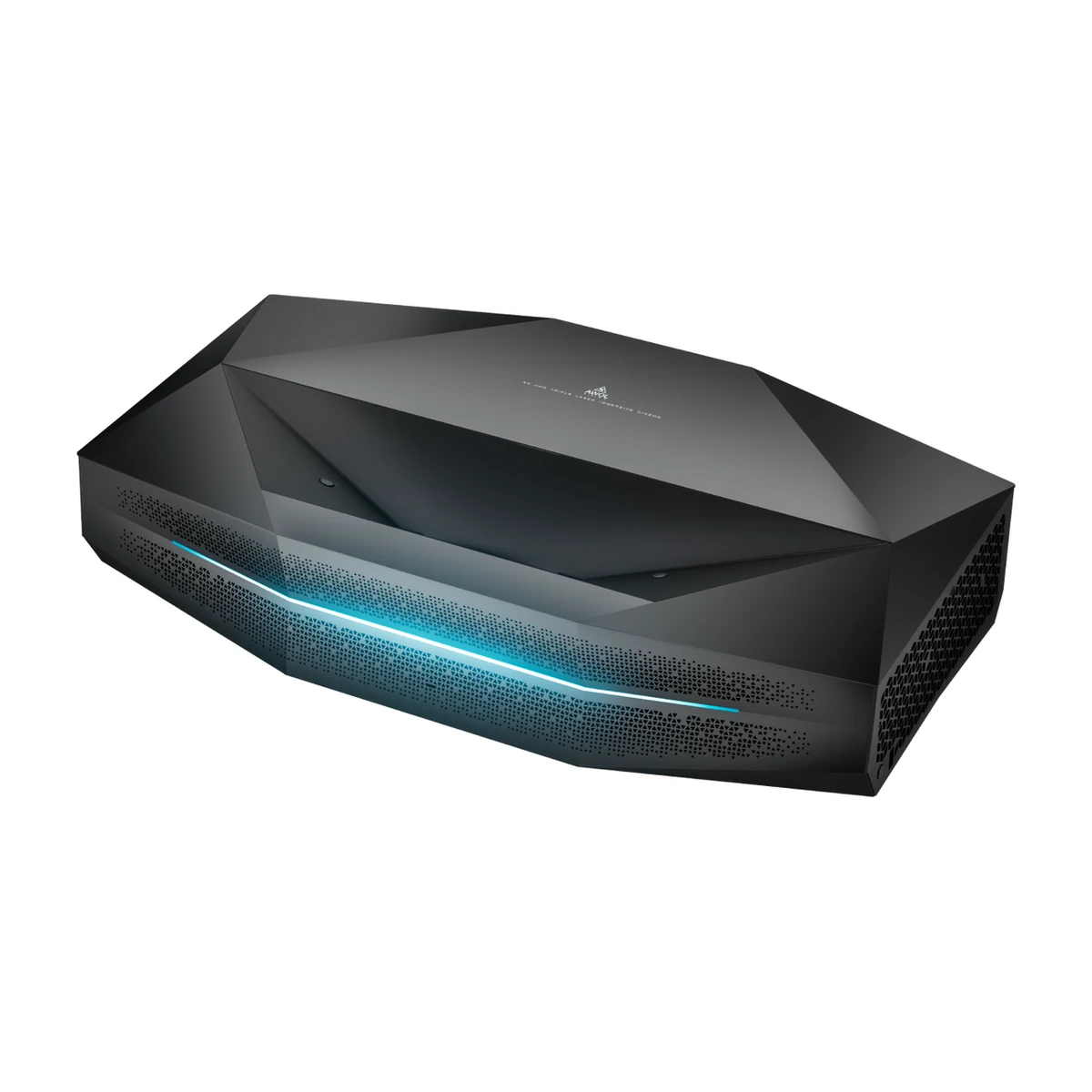
AWOL Vision LuxVision
6,000 ISO lumens · RGB triple laser · 0.18:1 throw
$5,999Nov 13, 2026
9.6/10Excellent9 projectors whose makers publish an input lag figure, ranked with gaming specs at 40%. Read at which resolution each figure applies.
6,000 ISO lumens · RGB triple laser · 0.18:1 throw
$5,999Nov 13, 2026
9.6/10Excellent3,300 ISO lumens · RGB triple laser · 0.2:1 throw
$3,999$4,499Nov 13, 2026
3,000 ISO lumens · RGB triple laser · 0.175:1 throw
$1,699$1,999Nov 13, 2026
2,600 ISO lumens · RGB triple laser · 0.2:1 throw
$3,499Nov 13, 2026
9.2/10Excellent5,000 ANSI lumens · RGB triple laser · 0.18:1 throw
$5,999.99Nov 13, 2026
9.3/10Excellent2,400 lumens · RGB triple laser · 0.21:1 throw
$2,299.99Nov 13, 2026
8.5/10Very good2,000 ISO lumens · RGB triple laser · 0.25:1 throw
$1,699$2,999Nov 13, 2026
3,600 ISO lumens · 3LCD laser · 0.25:1 throw
$2,699.99Nov 13, 2026
8.3/10Good2,300 ISO lumens · Laser + LED hybrid · 0.177:1 throw
$2,239$2,699Nov 13, 2026
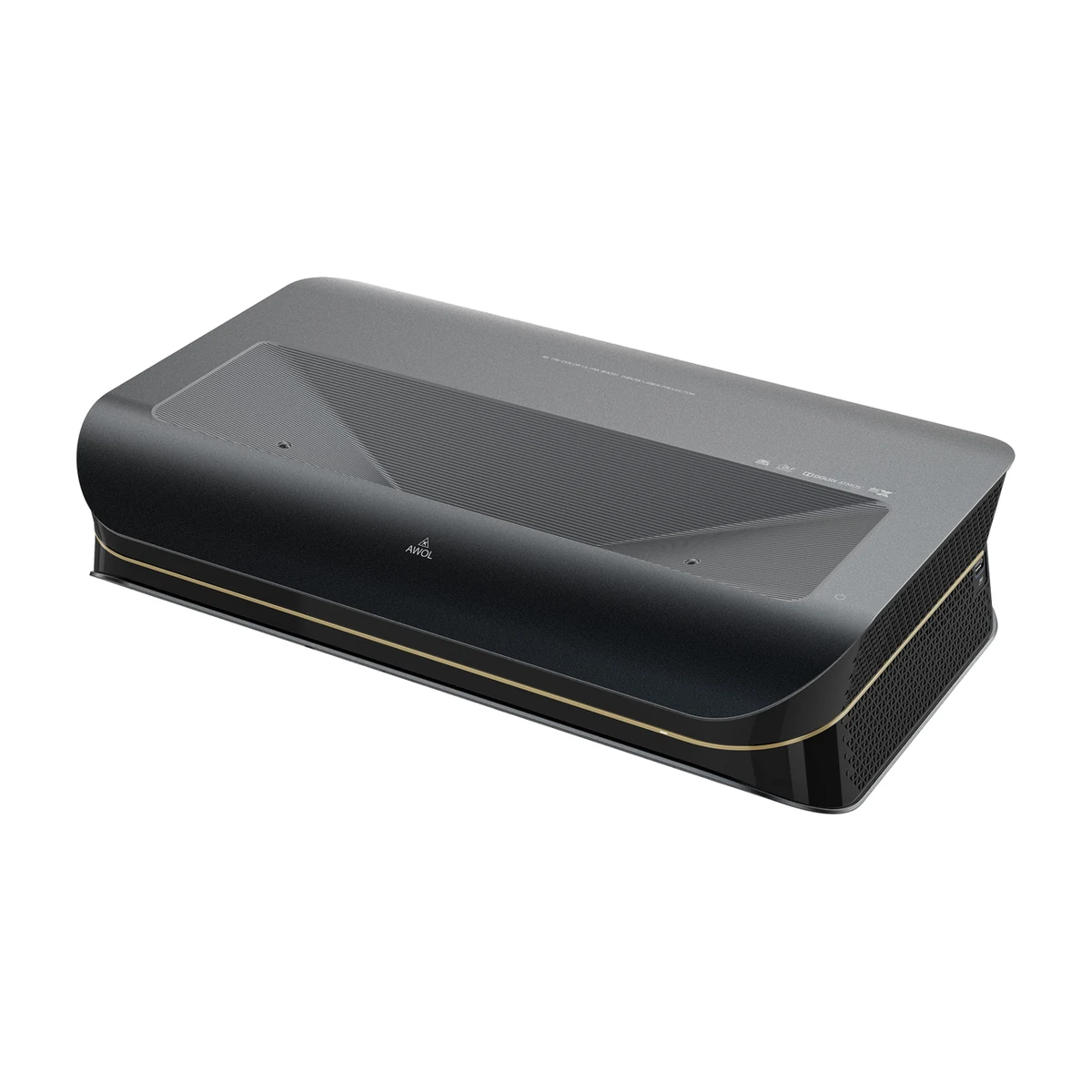
Best for a bright living room, a 120 to 150-inch picture and a console you play on.
The catch: It is a week-old product at $5,999: very few owners have lived with it yet. AWOL's page gives no speaker wattage and no fan noise figure, and it does not name Netflix among the apps. At 35.1 lb and 24.3 inches wide, it needs a deep, sturdy console.
Best for a mixed-use room where movies matter most and the lights are sometimes on.
The catch: 4K tops out at 60 Hz here; the 120 Hz panel mode is reserved for the LuxVision. AWOL publishes no speaker wattage and no fan noise figure for the Max, and the "1 ms" input lag comes without a resolution. And buying the projector alone at $3,999 made no sense on the day we checked: the screen bundle was cheaper.
Best for first-time UST buyers who want triple-laser color and fast gaming without spending $2,000.
The catch: The picture stops at 120 inches, per XGIMI, and the page gives no native contrast figure: the 20,000:1 it quotes is with dynamic black switched on. Sound is 36 W with DTS Virtual:X and Dolby Audio, not Dolby Atmos. XGIMI also doesn't state a laser life or name Netflix for this model.
Best for a dim or dedicated room where contrast and color matter more than raw brightness.
The catch: 2,600 ISO lumens is a nighttime figure: fine on a 100 to 120-inch ALR screen in a dim room, thin in a sunny one. The screen in the same-price bundle is soft gray, and AWOL doesn't sell it as an ALR screen. As on the Max, there is no speaker wattage on the page and 4K stops at 60 Hz.
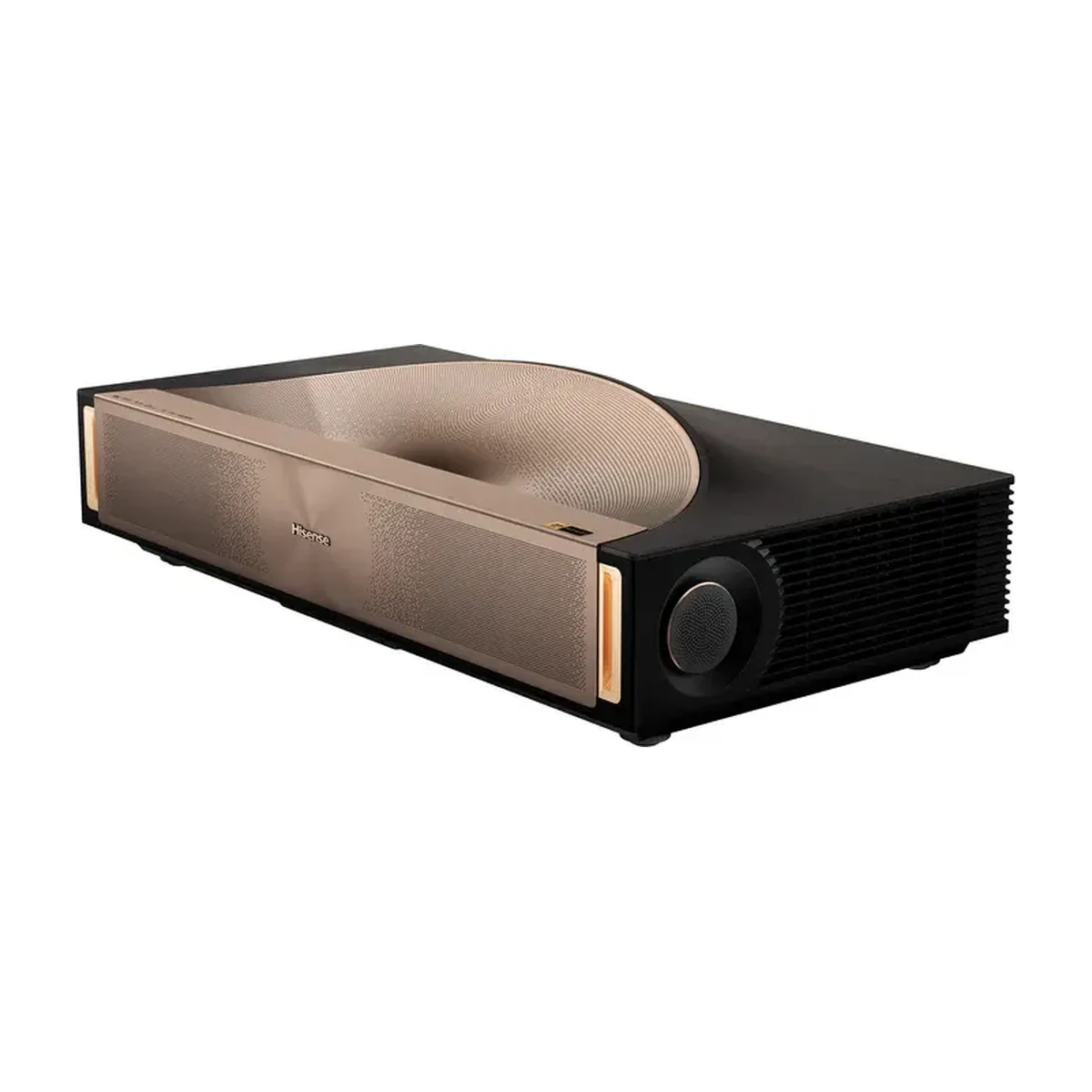
Best for replacing the family TV outright: bright picture, real speakers, tuner and Netflix built in.
The catch: Hisense's product page gives no return window, so ask before you spend $5,999.99. The gaming figure is 12 ms at 2K/120 Hz: good, but there is no VRR listed and only two of the four HDMI ports are HDMI 2.1. The page doesn't say whether focus is motorized.
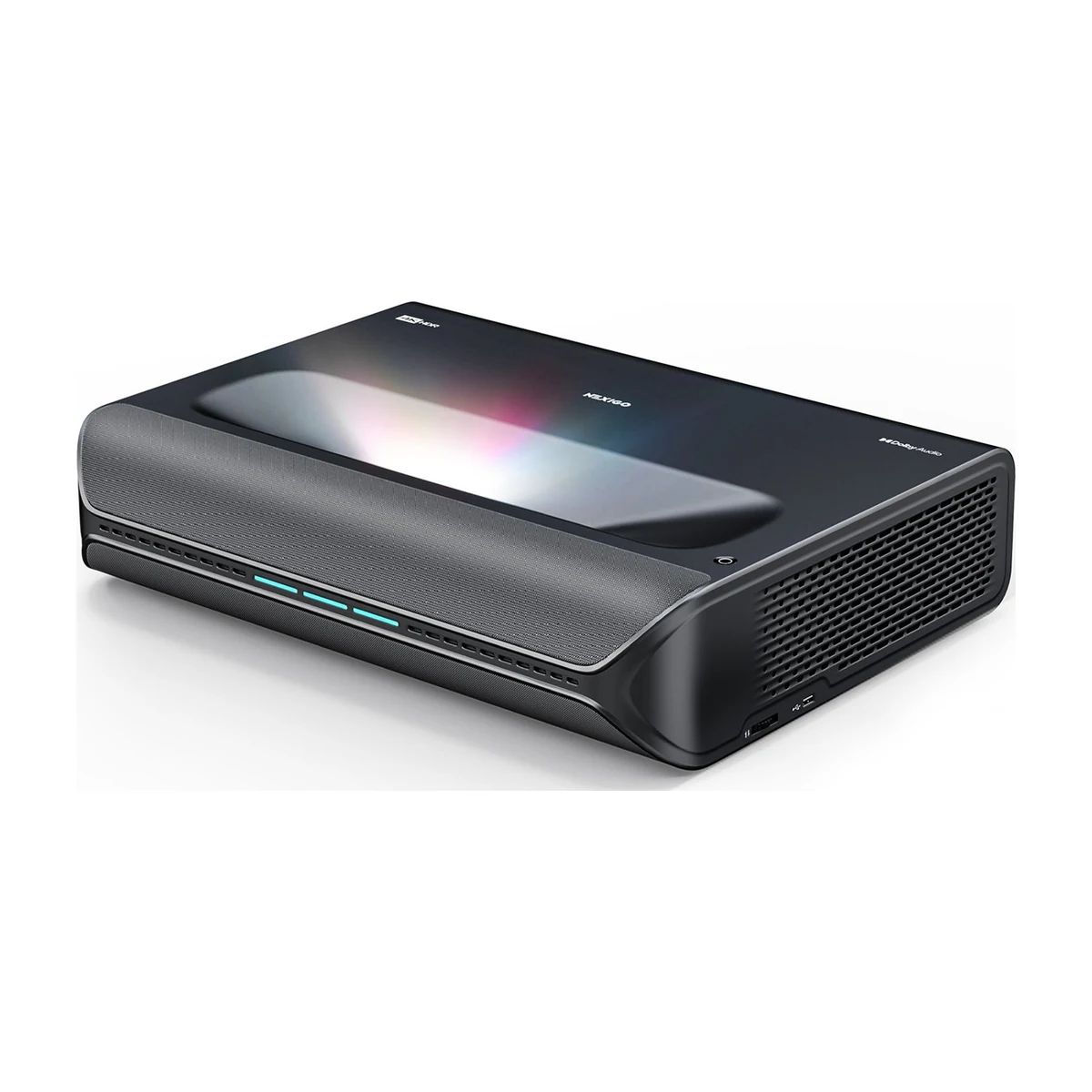
Best for dark-room movie fans and gamers who already own a streaming box.
The catch: NexiGo's page doesn't name a built-in smart TV platform; its own video guide shows how to add a Fire TV stick. The warranty is 1 year unless you buy an extension, the return window isn't on the product page, and shipping is calculated at checkout. Brightness is 2,400 lumens, with no ISO or ANSI label.
Best for movie and 3D fans on a budget who watch after dark and want a big picture.
The catch: 2,000 ISO lumens is the lowest brightness on our list: this is an evening projector. The built-in system is Android 9.0, which is why AWOL adds a Fire TV stick on the product page. The throw ratio is 0.25:1, so it sits further from the wall than newer models, and the warranty is 12 months where rivals give 24.
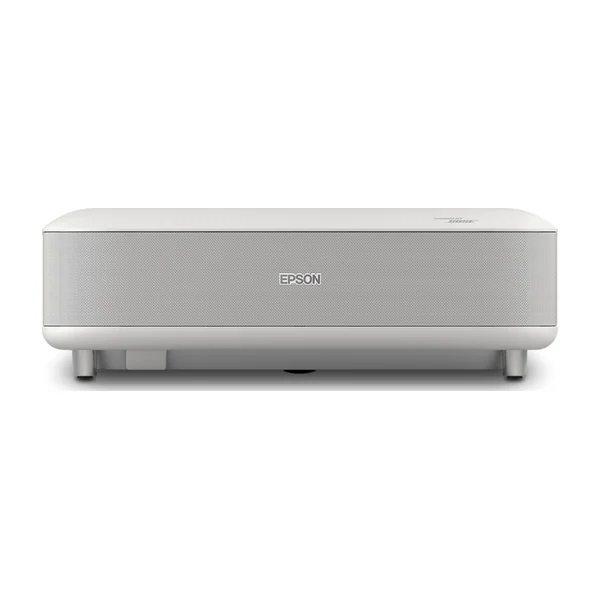
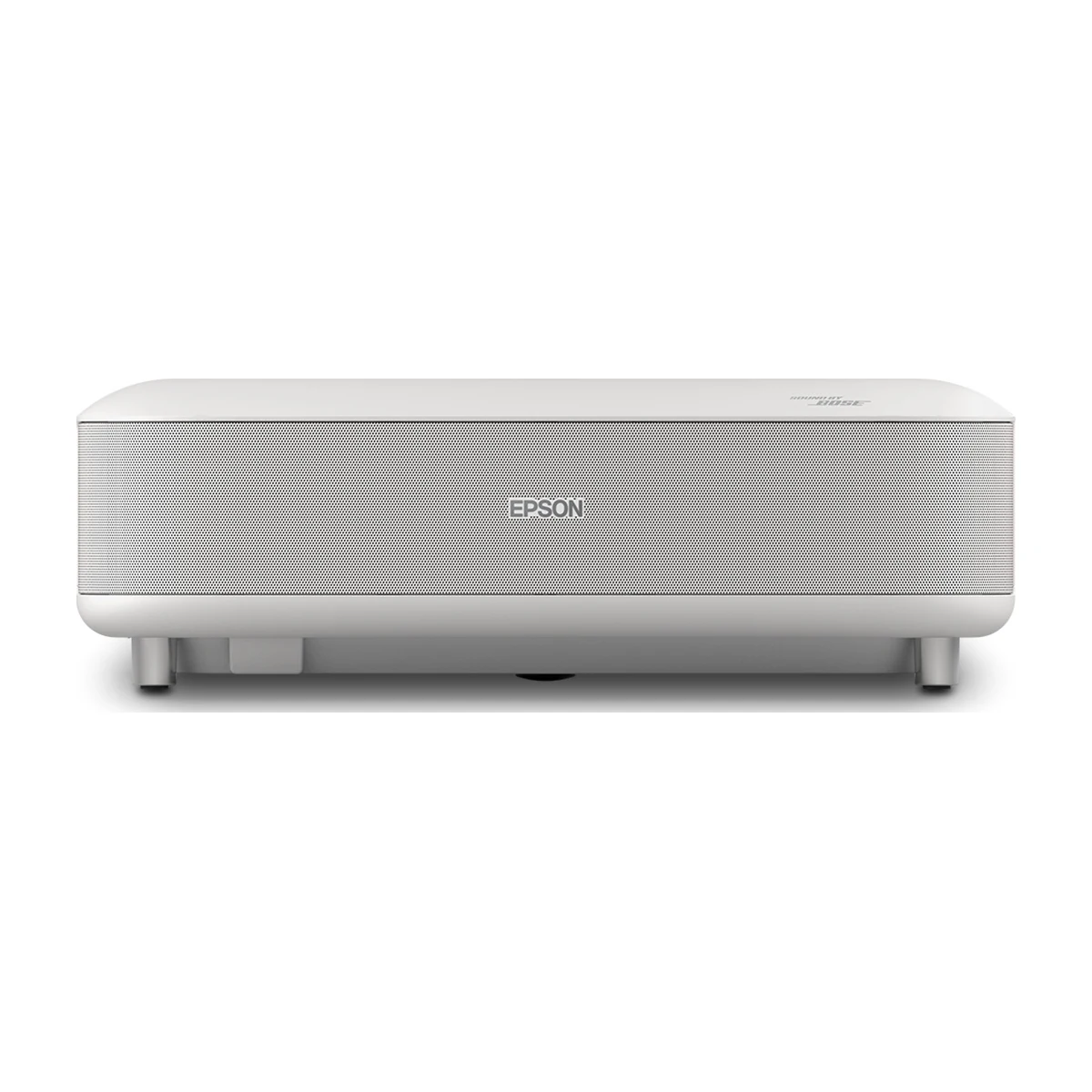
Best for families who are sensitive to the rainbow effect and want a bright, simple TV replacement.
The catch: Epson's own footnote says 4K PRO-UHD uses a 1080p panel with pixel shifting; it is not a native 4K chip. HDR support is HDR10 and HLG only, with no Dolby Vision or HDR10+. Epson states no native contrast or color gamut figure, focus is manual, and the 0.25:1 throw needs a deep console.
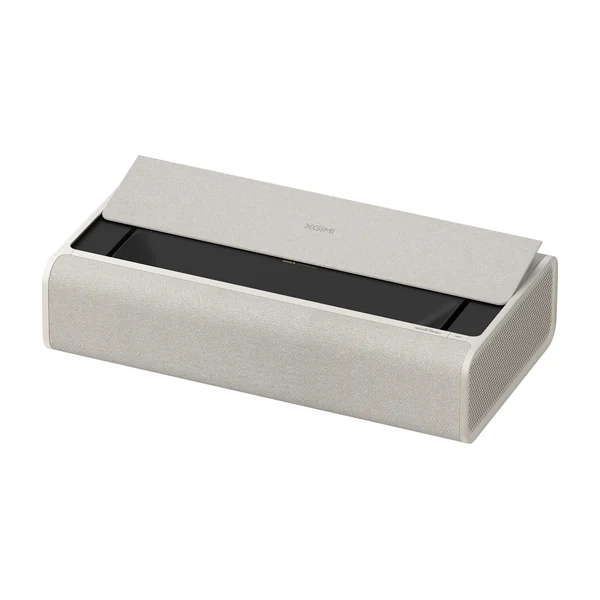
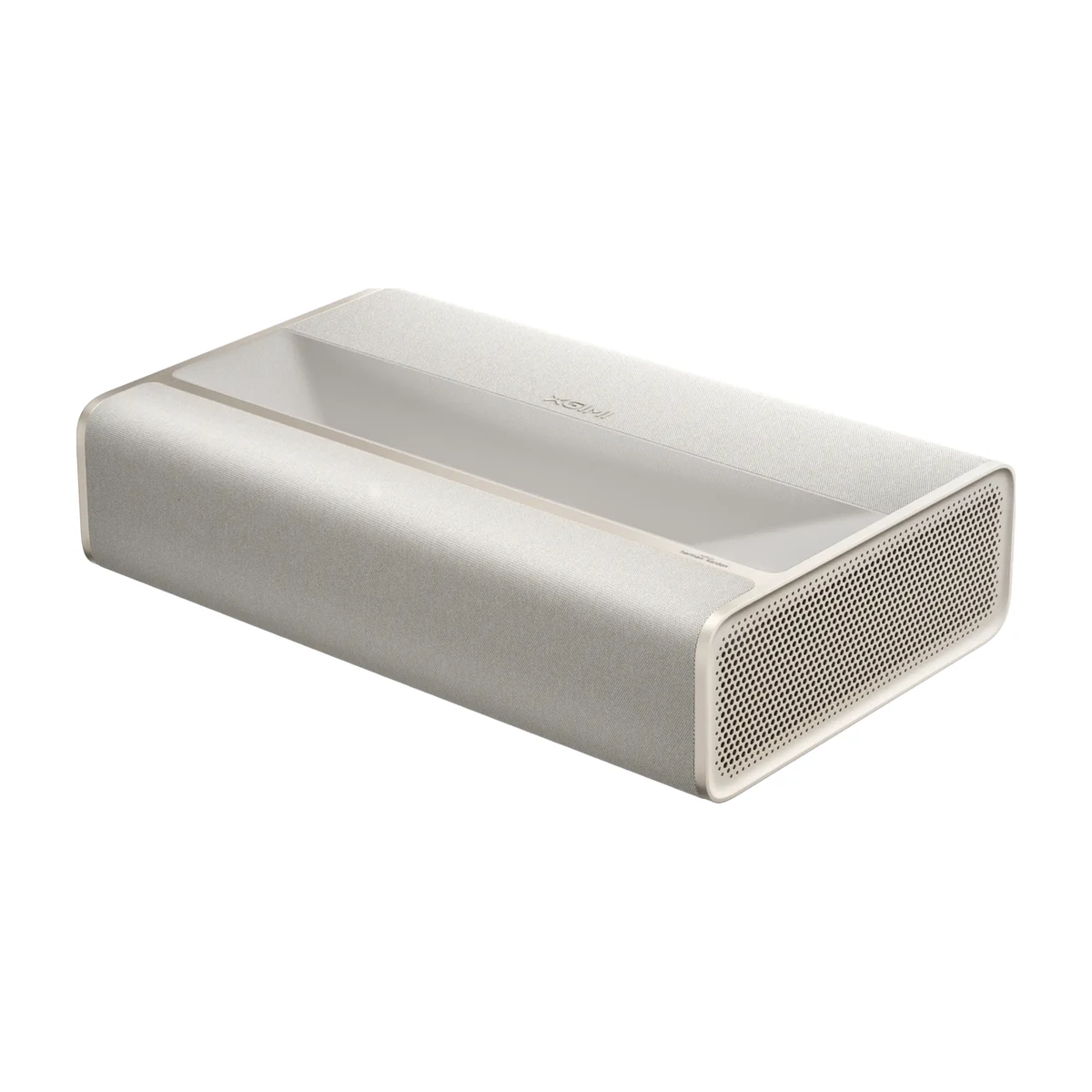
Best for a design-conscious living room where sound and easy setup count more than peak brightness.
The catch: XGIMI's own MIRA Pro is brighter (3,000 against 2,300 ISO lumens), has a wider gamut (110% of BT.2020 against 99% of DCI-P3) and costs $540 less. The AURA 2 has no HDR10+, its input lag is "down to 20 ms", and XGIMI gives no native contrast figure, only a 1,000,000:1 dynamic one.
| Projector | ||||||
|---|---|---|---|---|---|---|
| Brightness (brand) | 6,000 ISO lumens | 3,300 ISO lumens | 3,000 ISO lumens | 2,600 ISO lumens | 5,000 ANSI lumens | 2,400 lumens |
| Light source | RGB triple laser | RGB triple laser | RGB triple laser | RGB triple laser | RGB triple laser | RGB triple laser |
| Throw ratio | 0.18:1 | 0.2:1 | 0.175:1 | 0.2:1 | 0.18:1 | 0.21:1 |
| Native contrast | 10,000:1 | 6,000:1 | Not stated | 6,000:1 | 5,000:1 | 4,000:1 |
| HDR formats | Dolby Vision, HDR10+, IMAX Enhanced | Dolby Vision, HDR10+, IMAX Enhanced | Dolby Vision, HDR10+ | Dolby Vision, HDR10+, IMAX Enhanced | Dolby Vision, HDR10+, IMAX Enhanced | Dolby Vision, HDR10+ |
| Lowest input lag | 1 ms (brand) | 1 ms (brand) | 1 ms (brand) | 1 ms (brand) | 12 ms (brand) | 4.2 ms (brand) |
| Smart TV | Google TV | Google TV | Google TV | Google TV | Google TV with Netflix | Not stated |
| Warranty | 2-year | 2-year | 2-year | 2-year | 2-year | 1-year |
| Where to buy | Check price at AWOL | Check price at AWOL | Check price at XGIMI | Check price at AWOL | Check price at Hisense | Check price at NexiGo |
✓ marks the best figure of the row. "Not stated" means the brand doesn't publish it. Each projector keeps its one overall score; this page only changes the order. Prices checked November 13, 2026.
Projectors used to be a poor choice for games: slow, blurry, laggy. That has changed, and the proof is that brands now publish input lag, the delay between your button press and the picture reacting. This ranking only includes projectors that publish a figure, and orders them with gaming specs at 40%: the stated lag, ALLM, a 120 Hz or faster mode, and VRR.
Read the fine print with us, because the headline numbers are not all measured the same way. The AWOL LuxVision states 1 ms at 4K/120 Hz. The XGIMI MIRA Pro states 1 ms too, but at 1080p/240 Hz. The NexiGo Aurora Pro MKII gives both ends: 4.2 ms at 1080p/240 Hz and 17.6 ms at 4K/60. The AWOL LTV-3000 Pro does the same: 8 ms and 15 ms. For console play at 4K, anything under 20 ms is comfortable. For competitive shooters, look for a low figure at the resolution you will really use. The Hisense PX3-PRO, sold as "Designed for Xbox", isn't here: Hisense publishes no millisecond figure for it.
Every projector keeps its overall score from the public formula. For this page we re-order the eligible projectors with the "Gaming" weights: gaming 40%, price 15%, brightness 15%, picture 15%, and the rest for the other 3 criteria. The full table is on the methodology page.
Head-to-heads between projectors of this list: AWOL Vision Aetherion Max vs AWOL Vision Aetherion Pro, XGIMI MIRA Pro vs XGIMI AURA 2, AWOL Vision LuxVision vs Hisense L9Q, XGIMI MIRA Pro vs AWOL Vision LTV-3000 Pro.
Other rankings: best ultra short throw projector, best ust projector for bright room, best ust projector under 2000, ust projector with screen, best laser tv, best ust projector for home theater.
By Owen Whitaker, editor, home theater projectors · updated November 13, 2026