Our pick · No. 2 of 15
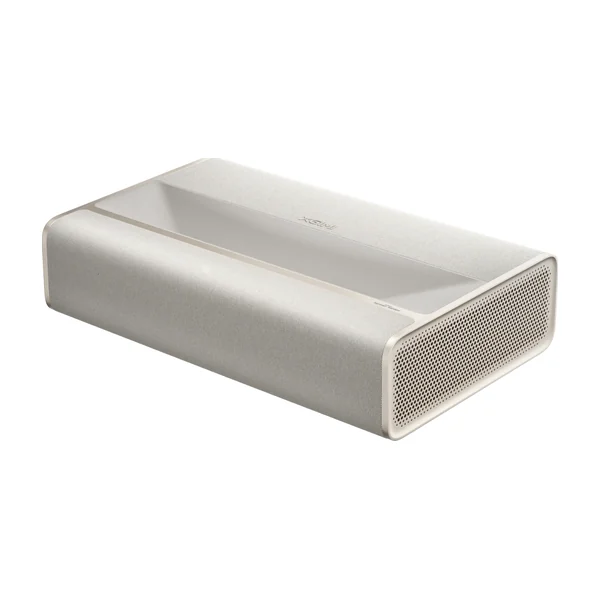
XGIMI MIRA Pro
3,000 ISO lumens · RGB triple laser · 0.175:1 throw
$1,699$1,999Nov 13, 2026
XGIMI MIRA Pro or AWOL Vision LTV-3000 Pro? The MIRA Pro scores 0.7 higher; here is where each one earns its place.
3,000 ISO lumens · RGB triple laser · 0.175:1 throw
$1,699$1,999Nov 13, 2026
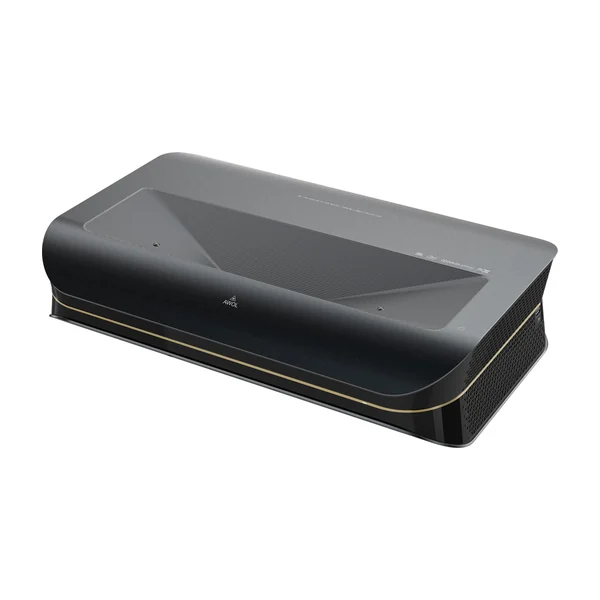
2,000 ISO lumens · RGB triple laser · 0.25:1 throw
$1,699$2,999Nov 13, 2026
Short answer: XGIMI MIRA Pro wins this one, 9.5/10 against 8.8/10, mainly on brightness and gaming specs. AWOL Vision LTV-3000 Pro answers with color, contrast and HDR.
Same $1,699 on the day we checked, a generation apart. The MIRA Pro is the new one: 3,000 ISO lumens against 2,000, Google TV against Android 9, automatic alignment, a 2-year warranty against 12 months, and 11.7 lb against 26.5 lb. The LTV-3000 Pro is the big-screen one: rated to 150 inches where XGIMI stops at 120, with 3D, a stated 2,500:1 native contrast, and an input lag AWOL prints for 4K/60 (15 ms) as well as 1080p/120 (8 ms). Its 0.25:1 throw also puts it about 6.5 inches further from the wall for the same picture. Living room: XGIMI. Dark den with a 130-inch screen: AWOL.
| Projector | ||
|---|---|---|
| Brightness (brand) | 3,000 ISO lumens | 2,000 ISO lumens |
| Light source | RGB triple laser | RGB triple laser |
| Throw ratio | 0.175:1 | 0.25:1 |
| Lens to wall, 100 in picture | 15.3 in | 21.8 in |
| Resolution | 4K UHD | 4K UHD |
| Native contrast | Not stated | 2,500:1 |
| Color gamut | 110% BT.2020 | 107% BT.2020 |
| HDR formats | Dolby Vision, HDR10+ | Dolby Vision, HDR10+ |
| Lowest input lag | 1 ms (brand) | 8 ms (brand) |
| Gaming features | 120 Hz, VRR | 120 Hz |
| Smart TV | Google TV | Android 9.0 |
| Speakers | 36 W | 36 W, Dolby Atmos |
| Picture size | 80 to 120 in | 80 to 150 in |
| Focus | Motorized | Motorized |
| Alignment | Auto screen alignment | Manual keystone |
| Fan noise | 28 dB (brand) | 27 dB (brand) |
| Size (W × D × H) | 18.3 × 10.6 × 4.8 in | 23.6 × 13.9 × 5.7 in |
| Weight | 11.7 lb | 26.5 lb |
| Laser life (brand) | Not stated | 25,000 hours |
| Warranty | 2-year | 1-year |
| Returns | 30 days | 30 days |
| Shipping | Free shipping | Free shipping |
| Screen bundle | No screen bundle on the page | $3,199 with 120-inch fixed-frame lenticular ALR |
| Sold by | XGIMI | AWOL Vision |
| Where to buy | Check price at XGIMI | Check price at AWOL |
✓ marks the better figure. "Not stated" means the brand doesn't publish it. Prices checked November 13, 2026 on each brand's own US store.
XGIMI MIRA Pro: rGB triple laser, 3,000 ISO lumens, no native contrast figure, 110% BT.2020, HDR in Dolby Vision, HDR10+. AWOL Vision LTV-3000 Pro: rGB triple laser, 2,000 ISO lumens, 2,500:1 native contrast, 107% BT.2020, HDR in Dolby Vision, HDR10+.
The MIRA Pro is the brighter one on paper, by 1,000 lumens. These are each brand's own figures; brightness matters most in a lit room, native contrast in a dark one.
XGIMI MIRA Pro: 1 ms at 1080p/240 Hz in Game Mode with VRR on, per XGIMI; gaming features listed: 120 Hz, VRR. AWOL Vision LTV-3000 Pro: 15 ms at 4K/60, 8 ms at 1080p/120 in Turbo mode; gaming features listed: 120 Hz.
Both brands publish a figure. Check which resolution each one applies to before you compare them: the lowest numbers are usually reached at 1080p and a high refresh rate.
With a 0.175:1 throw ratio, the MIRA Pro needs about 15.3 inches between lens and screen for a 100-inch picture; the LTV-3000 Pro (0.25:1) needs 21.8. Picture size: 80 to 120 in for the MIRA Pro, 80 to 150 in for the LTV-3000 Pro. The MIRA Pro measures 18.3 × 10.6 × 4.8 in and weighs 11.7 lb; the LTV-3000 Pro, 23.6 × 13.9 × 5.7 in and 26.5 lb.
Built in: XGIMI MIRA Pro has Google TV and 36 W of sound; AWOL Vision LTV-3000 Pro has Android 9.0 and 36 W, Dolby Atmos of sound. Our throw distance calculator gives the distance for your own screen size.
On November 13, 2026, each on its brand's own US store: XGIMI MIRA Pro $1,699 ($1,999 regular), AWOL Vision LTV-3000 Pro $1,699 ($2,999 regular). Same price, so the rest decides. AWOL Vision sold the LTV-3000 Pro with a screen too: $3,199 for the 120-inch fixed-frame lenticular ALR bundle.
Warranty: XGIMI MIRA Pro, 24-month warranty, per XGIMI's product page; AWOL Vision LTV-3000 Pro, 12-month warranty, per AWOL's product page. Returns: XGIMI MIRA Pro, 30-day money-back guarantee, per XGIMI; AWOL Vision LTV-3000 Pro, 30-day money-back guarantee, per AWOL. A projector is a big box to send back: read the return terms before the specs.
Full reviews: XGIMI MIRA Pro review and AWOL Vision LTV-3000 Pro review. Both appear in our ranking of the best ultra short throw projectors, best ust projector for bright room, best ust projector for gaming, best ust projector under 2000, best laser tv.
Other head-to-heads: XGIMI MIRA Pro vs XGIMI AURA 2, AWOL Vision LTV-3000 Pro vs Formovie Cinema Edge.
Still deciding what kind of projector you need? Read our guide: UST projector vs TV.
By Owen Whitaker, editor, home theater projectors · updated November 13, 2026